Stick-Style Vaping Devices: How They Work and Key Health Considerations
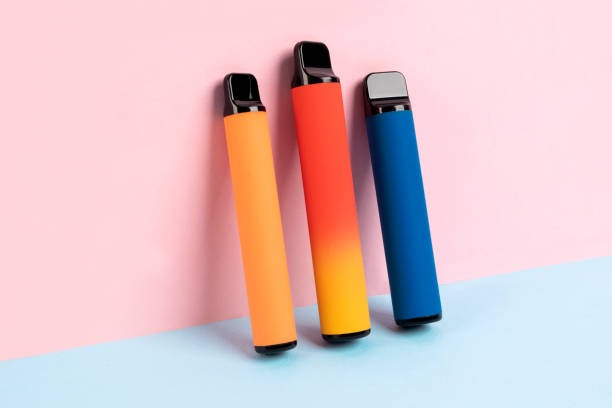
Stick-style vaping devices are a category of electronic nicotine delivery systems designed with a slim, pen-like shape. They are one of several formats available within the vaping market and are used by some adults as an alternative to combustible tobacco products. As these devices have become more common, they have also attracted attention from researchers, healthcare professionals, and regulators seeking to better understand their health effects and appropriate regulation.
Learning how stick-style devices function and understanding current public health guidance can help individuals make informed decisions.
How Stick-Style Devices Work
Most stick-style vaping devices include a rechargeable battery, a heating element, and a pod or tank that contains e-liquid. When activated, the heating element warms the liquid, producing an aerosol that is inhaled by the user.
E-liquids may contain ingredients such as propylene glycol, vegetable glycerin, flavourings, and, in many products, nicotine. The exact formulation varies depending on the manufacturer and the regulations that apply in different countries.
Some devices use replaceable pods, while others have refillable tanks. Their operating principles remain broadly similar despite differences in design.
Common Features
Stick-style devices are generally recognized for their compact form factor and straightforward operation. Depending on the model, they may include features such as rechargeable batteries, automatic or button activation, and replaceable or refillable components.
Battery capacity, power output, and maintenance requirements vary between products. Users should always follow the manufacturer’s instructions for charging, storage, and general operation to reduce the risk of misuse.
Understanding a device’s specifications can help consumers interpret product information more effectively.
Health Considerations
Research into vaping continues to develop, particularly regarding long-term health outcomes. Health authorities generally agree that nicotine-containing products can cause nicotine dependence. Studies have also found that vaping aerosols may contain substances that can affect the respiratory system, although exposure varies depending on the device, the e-liquid, and frequency of use.
Public health organizations generally recommend that individuals who do not currently use tobacco or nicotine products avoid starting vaping.
Anyone with questions about vaping or nicotine use should seek advice from qualified healthcare professionals.
Regulations and Consumer Awareness
Many countries regulate vaping products through laws covering age restrictions, product standards, ingredient disclosures, advertising, packaging, and retail sales. These regulations are intended to support consumer protection and reduce youth access to nicotine-containing products.
Consumers should stay informed about the regulations that apply where they live by consulting official government sources. Legal requirements may change over time as new research and policy developments emerge.
Smoking Cessation
Some adults who smoke cigarettes may consider vaping while trying to quit smoking. However, vaping is not risk-free, and healthcare professionals can provide evidence-based guidance on smoking cessation methods. These may include behavioural counselling, nicotine replacement therapy, approved medications, or a combination of approaches based on individual needs.
Conclusion
Stick-style vaping devices represent one category of electronic vaping products, but they share many of the same health and regulatory considerations as other device types. Understanding how they operate, remaining aware of current scientific evidence, and following applicable regulations can support informed decision-making. Individuals seeking to quit smoking should consult healthcare professionals to discuss evidence-based cessation strategies that best suit their circumstances.